

Ceiling and wall fields · Controlled preparation
Fire Damage Restoration in Walthamstow
We clean the agreed affected Walthamstow surfaces, renew damaged plaster and interior details and apply the selected decorative finish to prepared backgrounds.
- Renew released plaster and work its surface plane
- Prepare accepted walls and ceilings for their coating
- Complete included timber and floor details with result checks
Released work area protected
Damaged finishes renewed
Physical methods explained
Completed surfaces checked
Restore the appointed wall and ceiling fields
We carry out the accepted cleaning and ordinary interior renewal in existing Walthamstow rooms. Plastering, included timber and flooring and the decorative field are stated as actual activities, so the visible finish follows the assessed material response.
Inspect the affected finish layers
After appropriate safe-access confirmation, we inspect visible deposits, damaged coatings and accessible plaster, timber and flooring. We identify retained edges and the accepted renewal field. Unsafe services, structural questions and hazardous-material concerns need the appropriate separately appointed specialist before dependent preparation.
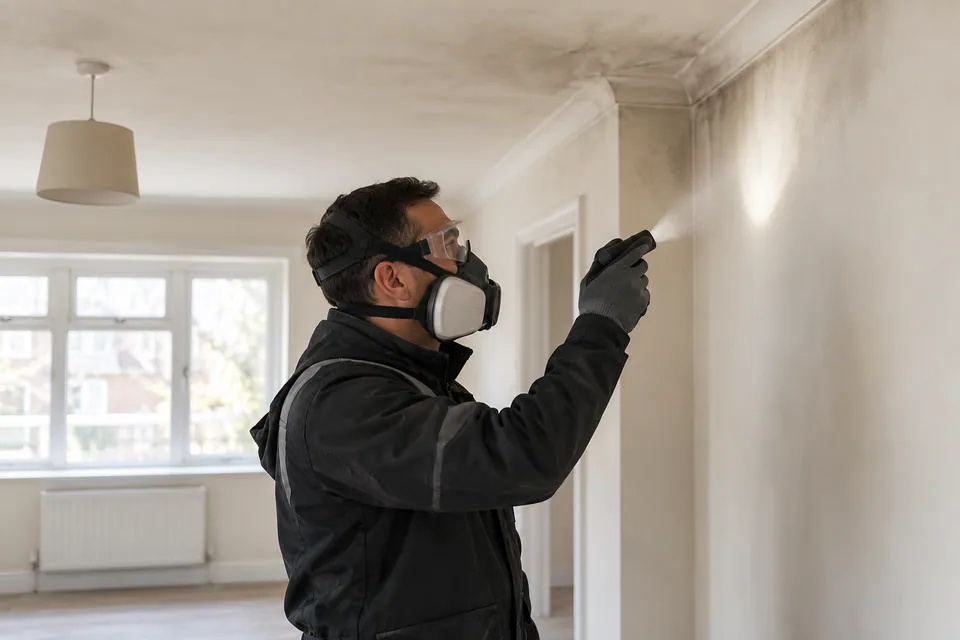
Damage and the first material decision
| Finding | Material | Our assessment |
|---|---|---|
| Smoke deposits | Accepted room surfaces | Cleaning field and residue response |
| Loose plaster | Wall background | Sound retained edge |
| Heat-affected trim | Interior timber | Retention or renewal |
| Firefighting water | Floor or wall layers | Separate moisture review |
Prepare a protected application field
We cover retained floors and furnishings and arrange tools, materials and collection positions within the accepted working area. We keep the route available for material movement. Residue and material-safety arrangements are established before ordinary disturbance, with no uncontrolled household soot cleaning requested.
How the renewed backgrounds receive their final finish
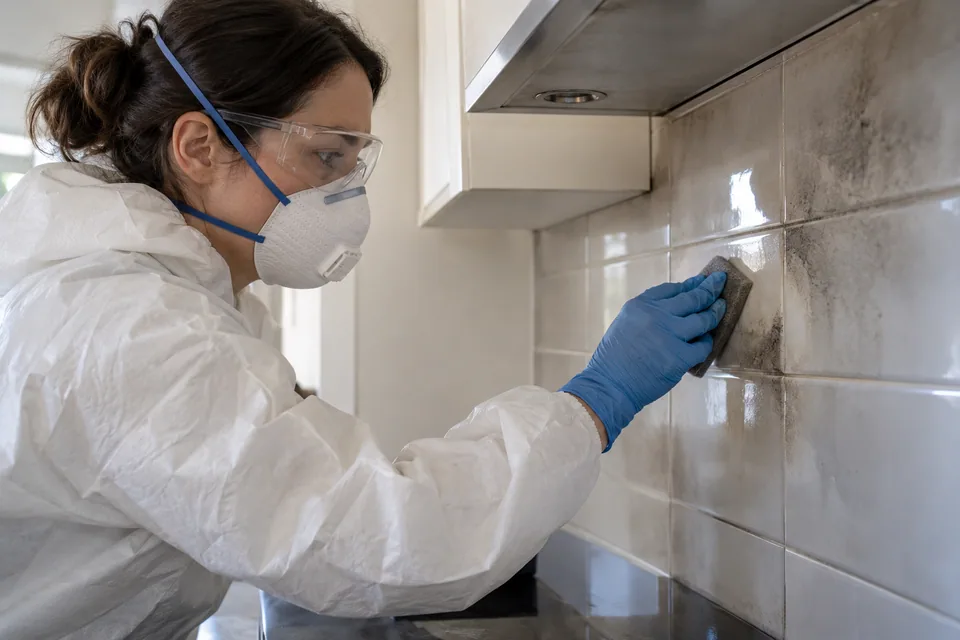
Treat the included smoke-affected finishes
We clean the included Walthamstow surfaces and complete the agreed deodorising through the professional arrangement selected for their actual condition. We protect retained finishes and examine accessible treated areas before ordinary preparation. Further specialist treatment is established where needed before the dependent interior work proceeds.
Remove the included damaged plaster and prepare its field
We use suitable hand tools to lift the appointed unsound plaster towards stable retained margins. We control the intervention at the surrounding finish and do not lever against a retained timber or decorative edge outside the work. We collect fragments through the agreed route and keep the protected floor clear at the working position.
We clear loose background material and preparation dust using the task-appropriate controls. We prepare the exposed receiving area and any background treatment required by the selected plaster. We inspect the margins for loose material before application and keep a newly revealed concern for its appropriate response. The receiving field is prepared for the actual next material rather than treated as ready merely because the visible stain has been removed.
Apply plaster and work the new surface
We spread the suitable plaster over the prepared non-structural background using a plastering trowel. We build the field in the passes required by its selected system, bringing the new material towards the retained plane. We work the accepted edges deliberately so a pronounced lip is not left to be hidden by the later decorative coat.
We work down raised trowel lines and inspect for hollows or unfinished sections at the relevant material stage. We check the plane with an appropriate straightedge where useful and adjust the field while further working is suitable. We inspect the surface and margins before the decorative preparation starts, allowing the new plaster to reach the receiving condition required by the selected coating rather than applying it to an unready background.

Cut and fit the included ordinary timber
We measure the accepted timber detail from the room references and mark the selected component before cutting. We use tools suitable for its material and form the appointed end or corner relationship to the actual measured geometry. We offer the piece into position and check its fit against the receiving surface before completing the attachment.
We secure it using the provision appropriate to the selected item and background, then inspect seating, end fit and any relevant moving-item clearance. We complete those fitting checks before preparing the included exposed fixing positions and faces for decoration. We keep the ordinary item list distinct from structural or safety-critical assemblies and do not extend the replacement merely because another component has a similar appearance.
Prepare the released coating field and apply the selected system
We take the included loose or failing decoration back to sound retained edges, smooth its transitions using the appropriate abrasive method and remove preparation dust through the task controls. We apply compatible filler to the accepted local defects and bring the dried field flush. We inspect that preparation before the first coating stage so a rough application edge is not carried through the finish.
We use the suitable brush or roller to apply the specified primer, sealer or stain-isolating material where required. We work the appointed field evenly and coordinate the edge application with the broader surface. After the relevant product condition is reached, we apply the agreed finish and inspect its coverage in the room’s available light. We address missed bands, runs and rough transitions within the selected sequence. This coating work follows the appropriate residue response and does not certify concealed construction.

Fit the selected floor field and finish the boundaries
We set out the appointed material on the accepted receiving surface, measure the perimeter and mark each boundary piece before cutting. We use suitable tools for the selected flooring and form the included doorway and retained-item connections. The actual movement and connection requirements are maintained rather than automatically closed by decorative trim.
We fit the included edge components and inspect their junction with the floor and surrounding finish. We collect the installation offcuts and check exposed ends, the walking surface and relevant door clearances. The reviewed result follows the accepted installation field and distinguishes retained adjoining areas from newly completed work.
Inspect coverage and completed interfaces
We review the appointed decorative field, plaster transitions, timber fit and floor connections. We remove the remaining work materials and clear protection as agreed, showing the completed surfaces and identifying outstanding specialist actions separately.
Included work and separate responsibilities
| Work | Included approach | Separate requirement |
|---|---|---|
| Plaster renewal | Hand-tool removal and selected plaster | Unsafe or hazardous background |
| Interior timber | Measured cutting and fitting | Structural or safety-critical work |
| Decoration | Released preparation and chosen coating | Specialist residue clearance |
| Floor edges | Accepted field and connections | Unappointed adjoining rooms |
Conditions affecting the applications
A changed background, more extensive material loss or a specialist finding can alter the appointed work. We explain the proposed variation before proceeding. The selected materials’ receiving and working conditions govern the order of the dependent stages.
Walthamstow address and vehicle arrangements
For enquiries around E17, an approximate district, we confirm the full address and work entrance. Waltham Forest describes controlled and permit parking areas; we check current street arrangements for the visit separately from private entry and internal receiving space.
Operations and useful result checks
| Operation | Working tools/material | Check |
|---|---|---|
| Plaster application | Suitable plaster and trowel | Plane and stable edges |
| Timber fitting | Measuring/cutting tools and selected item | Seating and end fit |
| Coating | Chosen system, brush or roller | Coverage and clean transitions |
| Floor junction | Selected material and edge component | Fit and relevant clearance |
Questions about the work in Walthamstow
How do you inspect coverage over a broad field rather than one close-up sample?
We review the appointed surface from the available working positions and include the full field in the coverage check, addressing accepted missed areas within the selected product sequence.
How do you keep a roller loaded for an even application across the agreed field?
We distribute the selected coating over the roller using the appropriate application container, avoiding an overloaded end. We work manageable portions of the field and replenish the roller as needed, checking that the application does not become a series of heavy deposits and missed bands.
How do you prevent plastering equipment from transferring wet material onto a coating tool?
We keep the plastering tools and their working material separate from the coating equipment. Before application we check the brush or roller and its container, removing unsuitable contamination or changing the affected equipment rather than carry wet plaster into the finish.
How do you establish the first boundary cuts for the appointed floor?
We set out the selected material from the room references and check the distribution of the starting and finishing pieces before cutting the perimeter. We adjust the accepted starting arrangement where needed, then transfer the actual boundary measurements to the pieces.
How do you choose between brush and roller application on the accepted field?
We use the tool suited to the selected product and surface, coordinating edge and main-field work rather than apply a universal tool arrangement to every finish.
What happens to an unfinished plaster spot noticed during the surface review?
We address the accepted field at the appropriate material stage before it proceeds to decorative preparation, rather than use the later coating to hide an unresolved application defect.
How is coating worked into a recessed profile on an included timber trim?
We use a brush suited to the actual profile and selected product, work the coating into the accessible recess and distribute surplus onto the adjoining included face. We inspect the groove for missed areas and collected excess without filling or changing the timber profile.
How are the final inspection and removal of work materials coordinated?
We review the appointed surfaces and junctions, collect the remaining materials and clear protection as agreed so the client can see the completed field and outstanding items.
Related property services
Discuss the Walthamstow surface work
Tell us the affected walls, ceilings and included details. We will explain the cleaning, renewal and selected finish.