
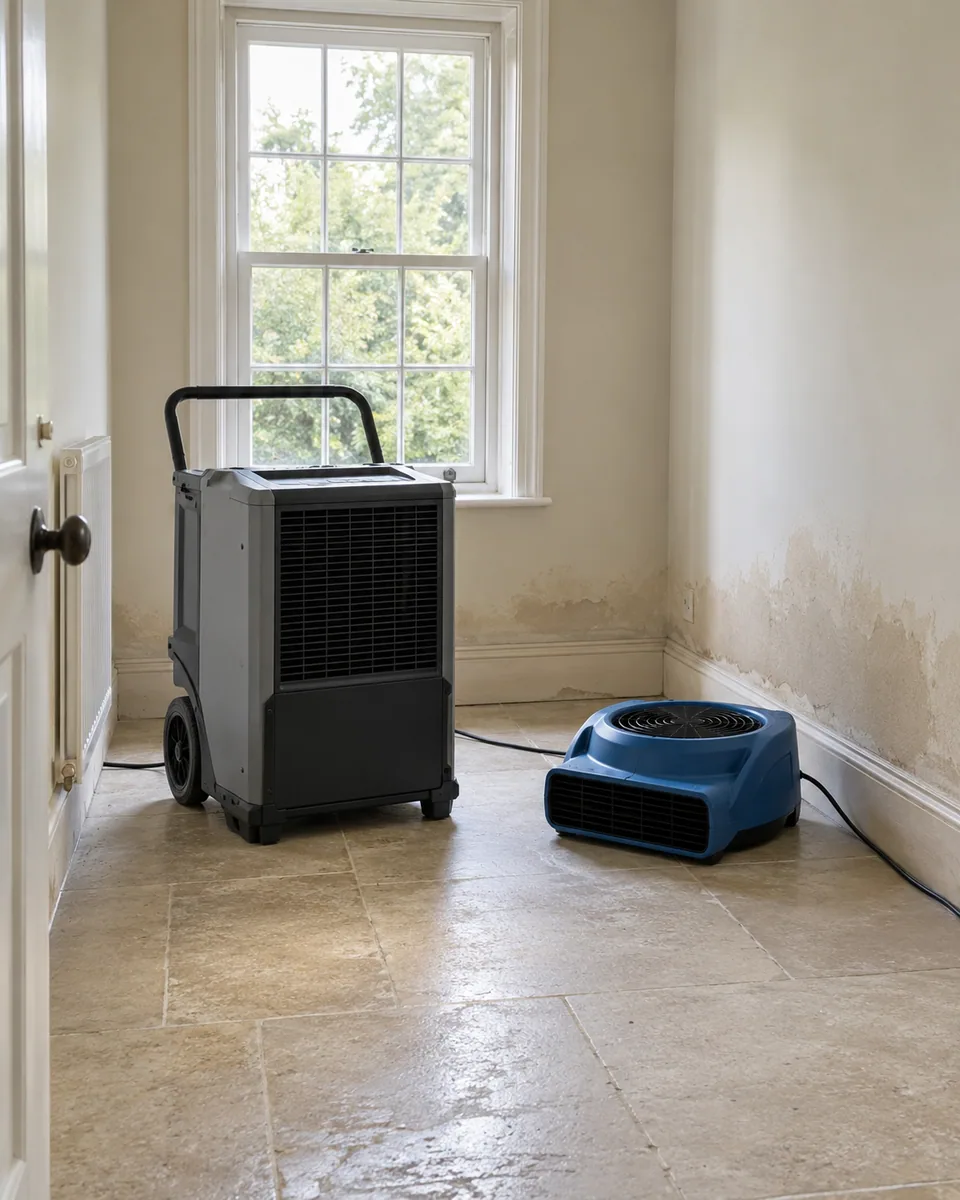
Water-affected carpet · Assessed interior restoration
Water Damage Restoration in Greenwich
We assess water-affected Greenwich interiors, defining drying and reinstatement around carpet construction, accessible backing and the receiving floor.
- Carpet and receiving-floor condition distinguished
- Drying arrangement defined for the accepted task
- Retention and replacement limits recorded
Actual material considered
Accessible condition reviewed
Defined progress checks
Reinstatement scope agreed
We distinguish the carpet from the floor beneath it
We restore water-affected interiors in existing Greenwich properties. Carpet can present one visible surface while its backing and receiving floor raise different condition questions. We identify the actual accessible materials before defining drying, suitable retention or the replacement activities accepted in the proposal.
Our work can include moisture assessment, appropriate dehumidifiers and air movers, progress review and agreed interior reinstatement. The visible pile is not the complete floor construction. We connect the accepted covering response with the condition and access needed beneath it before another finish is specified.
We establish the source and safe room access
We ask about water entry, affected rooms and any known contamination or utilities concern. Wet electrical installations and uncertain areas need their appropriate responsible assessment before ordinary equipment use. We do not ask occupants to lift wet material or enter unsafe space to collect information.
Available incident records can support the assessment without replacing it. Continuing-source correction remains separately identified from drying and reinstatement. Specialist contamination, structural or hazardous-material concerns require appropriate provision before the ordinary interior response is accepted.
Our sequence for an affected carpeted room
Establish the incident and prerequisites
We gather water-source and room information, identifying the safe-access and specialist responsibilities needed before ordinary restoration.
Review the accessible floor construction
We assess the covering, visible backing and receiving-floor limits, recording further access needed to define the response.
Define and monitor the drying arrangement
We identify equipment, operation and progress reviews around the accepted task, distinguishing material assessment from machine supply.
Agree retention and reinstatement components
We review material condition and selected fitting requirements before accepting the covering, lower layers and finishing scope.
Complete and inspect the appointed floor
We carry out the agreed preparation and reinstatement, review named edges and record outstanding matters and relevant product guidance.
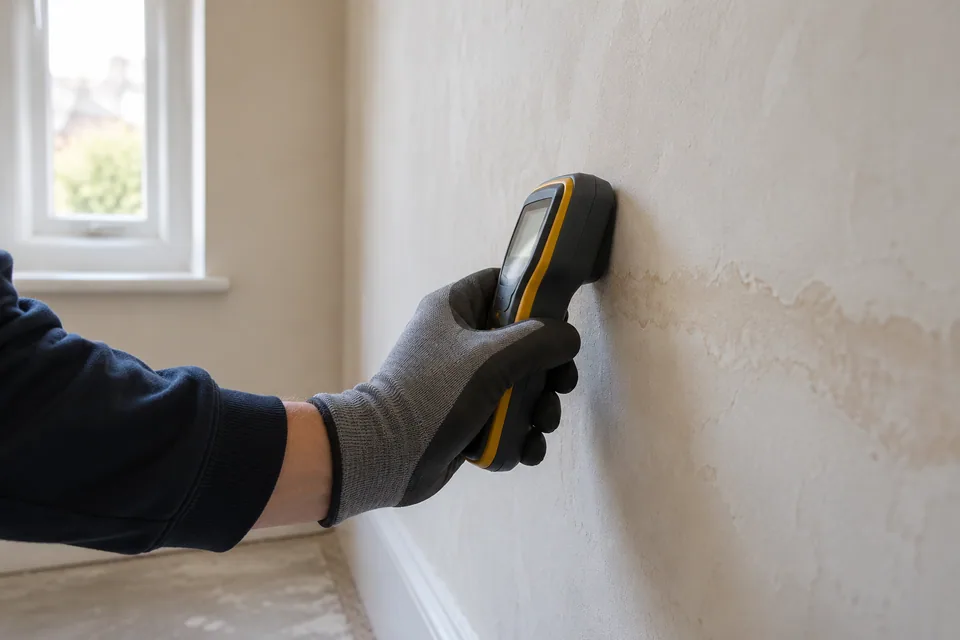
We inspect accessible covering and backing condition
We record visible staining, lifted areas, changed texture and accessible backing or edge condition. The carpet, any separate lower layer and the receiving construction are identified as distinct materials. We state what remains concealed and what further checking is needed before the response is settled.
Any proposed lifting, exposure or removal is expressly agreed with its extent and responsibility. We do not treat one accessible edge as a complete survey of the room. Existing attachments and retained furnishings are considered before accepting a wider opening or a replacement arrangement.
We retain available covering references when they help identify the accepted replacement and fitting arrangement.
We review relevant material findings through drying
We interpret moisture information in relation to the actual material, method and observation location. A change at the upper surface does not become a direct measurement of an inaccessible lower layer. We identify which further check remains relevant before accepting the next-stage floor decision.
Room-condition observations can support the agreed review without replacing material assessment. Physical changes such as separation or distortion are considered alongside drying progress. We do not promise that an improved indication restores a damaged backing or establishes the original performance of the complete covering.
We define equipment and access around the accepted floor task
Appropriate dehumidification and air movement are arranged using the assessed room and actual equipment information. We identify operation, progress checks and placement responsibilities. The proposed arrangement does not assume that air moving across pile reaches every part of a fixed or concealed floor assembly.
Progress is reviewed as the accepted task develops. Materials, wetting extent and available access affect the sequence, so no fixed drying period is promised. Equipment-only hire remains distinct from managed restoration and from any expressly accepted carpet removal or reinstatement.
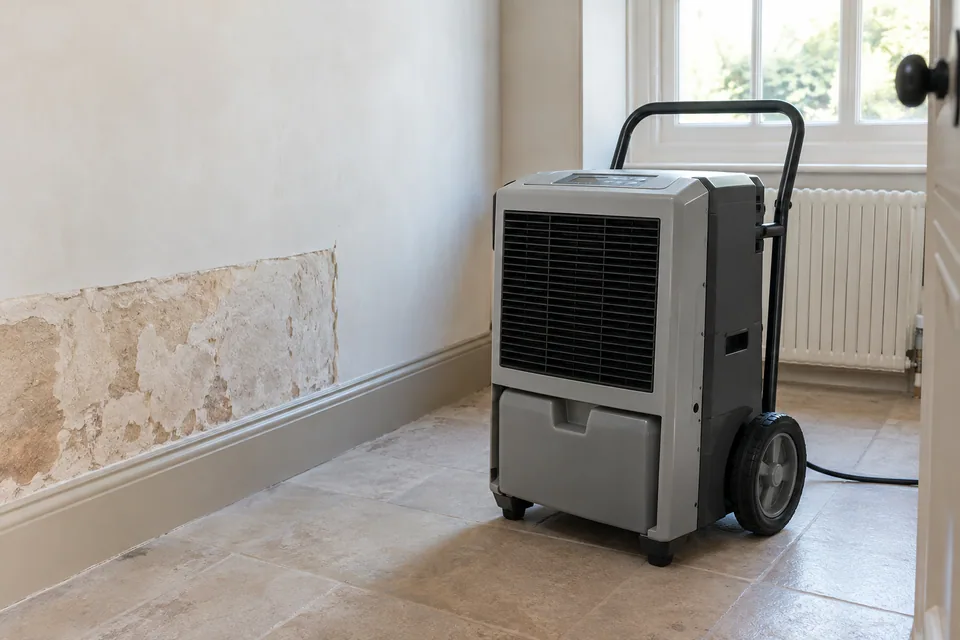
Drying equipment and carpet limits
| Provision | Purpose | Limit |
|---|---|---|
| Dehumidifier | Remove water vapour | Not extraction of standing water |
| Air mover | Support evaporation | Not re-bonding damaged backing |
| Material review | Inform the accepted response | Relevant method and location |
| Equipment hire | Defined supply service | Not automatic covering renewal |
We identify pile, backing and separate supporting layers
The actual carpet construction and available product information matter when condition is assessed. A textile face, manufactured backing and separate underlay do not automatically share one retention decision. We identify what can reasonably be established before specifying treatment or replacement.
Timber, boards, vinyl and other retained floor materials can introduce additional requirements beneath or beside the carpet. We review their accessible condition separately. Suspected specialist concerns and unexamined layers are identified before closure rather than assumed resolved by changing the upper covering.
Floor components and assessment references
| Component | Concern | What we distinguish |
|---|---|---|
| Textile face | Stain or changed texture | Appearance and material condition |
| Carpet backing | Separation or distortion | Actual product construction |
| Separate lower layer | Concealed wetting | Its own material and access |
| Receiving floor | Affected supporting surface | Preparation before reinstatement |
Carpet findings needing separate decisions
Backing separating from the textile face
We assess the actual component condition rather than assume drying re-establishes the original construction.
A retained lower layer with uncertain condition
We record what is accessible and define appropriate further checking before accepting it beneath another covering.
Different material at the room edge
We review the receiving and neighbouring construction before the reinstatement detail is settled.
Visible sign and next review
| Sign | Possible question | Next response |
|---|---|---|
| Changed pile appearance | Surface or broader material change | Assess actual covering |
| Loose backing | Product condition | Review retention or replacement |
| Raised lower layer | Separate material response | Assess accessible construction |
| Affected doorway edge | Connected floor condition | Define reinstatement detail |
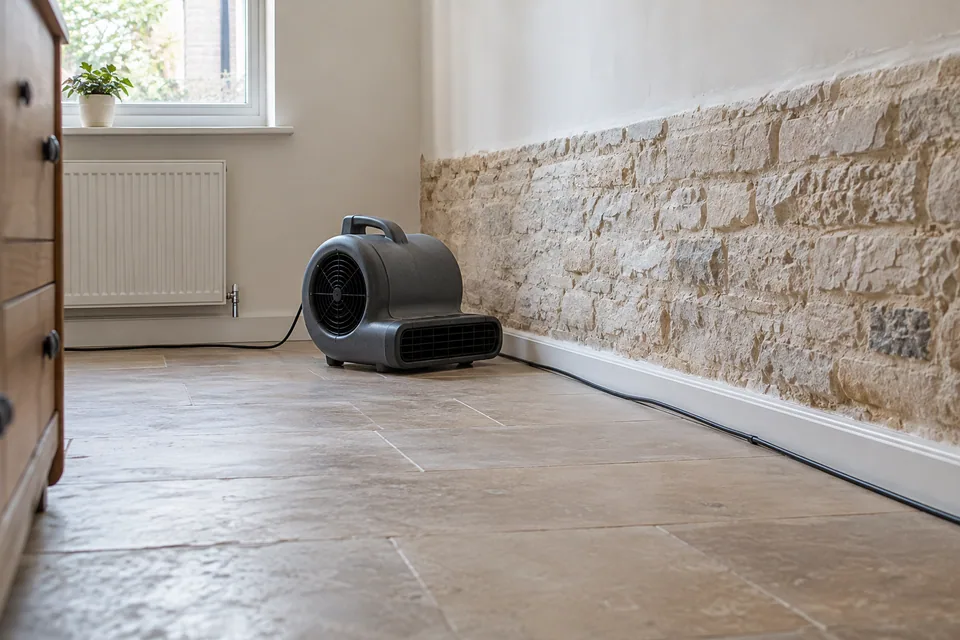
Planning the Greenwich floor and equipment route
For enquiries around SE10, we confirm the individual address and affected rooms; the outward code is approximate. We review the receiving route, occupied-room access and protection of retained finishes before equipment or replacement covering is delivered.
Royal Greenwich publishes conservation designation information. We consider relevant property instructions separately from the technical restoration method, without inferring construction or internal permissions from a postcode. The accepted floor boundary is established from the actual premises and appointment.
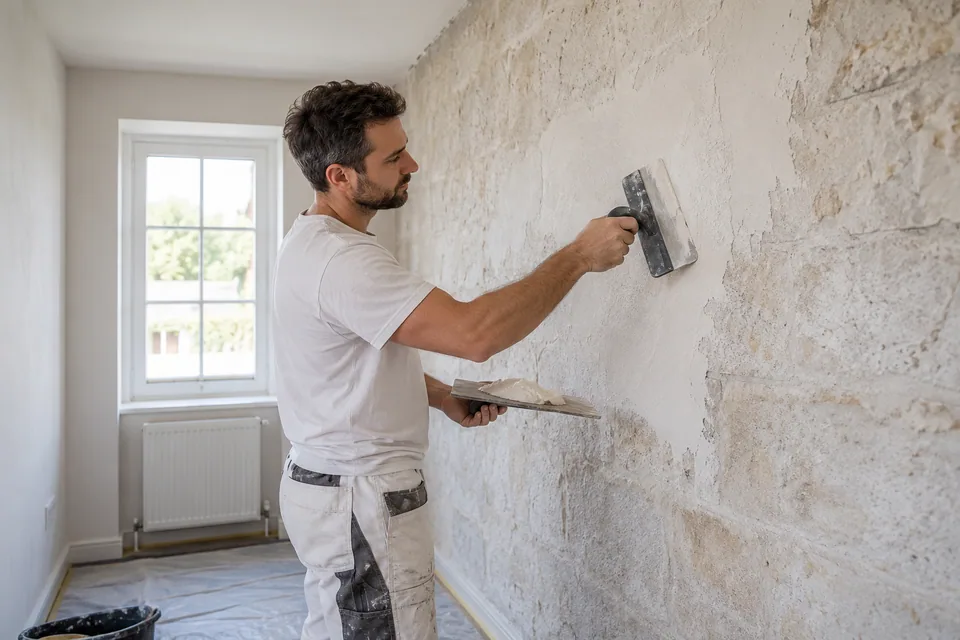
We agree the covering and preparation scope
The proposal states the accepted floor work, receiving-surface preparation and named room edges, alongside any plastering or paintwork needed elsewhere in the appointment. We distinguish retained carpet components from newly supplied material and define matching limitations before the replacement field is accepted.
The relevant condition and selected product requirements are reviewed before fitting. Any separate technical or structural responsibility remains confirmed with its appropriate provider. At handover we inspect the appointed surfaces and record remaining actions without describing retained hidden construction as newly restored.
We quote the actual construction and work stages
The quotation reflects affected area, equipment and progress reviews, expressly accepted exposure and the reinstatement field. Carpet area alone does not describe the receiving-base condition or the number of layers involved. We identify known components and any further information needed before extending the scope.
Access, observed progress and material availability shape the programme. Furniture movement and waste responsibilities are agreed in advance. New findings are explained with the proposed response before additional work proceeds, rather than assumed within a general floor-restoration allowance.
Water damage restoration questions in Greenwich
Can a carpet’s pile colour identify whether its backing bond has changed after wetting?
We assess the actual construction and accessible condition. The upper colour is not used as evidence that the relationship between the textile face and backing remains unchanged.
Does drying a carpet automatically reattach a separated manufactured backing?
We distinguish moisture reduction from the physical condition of the product. A separated construction needs its actual retention or replacement response assessed rather than assumed to re-form through ordinary drying.
Can a separate underlay be recorded as part of the carpet backing when replacement quantities are listed?
We identify the actual components in the scope. A separate lower layer is not described as the manufactured backing of the covering merely because both occupy the same floor area.
Can an attached carpet label identify the condition of a separate layer beneath it?
We retain relevant product identity but assess the actual lower construction separately. A covering label does not establish the material or condition of another component below.
Does agreeing replacement carpet automatically include reuse of the original edge attachments?
We review the selected fitting arrangement and retained component condition. The covering decision does not approve every earlier attachment without the relevant assessment.
Does colour transferred from a wet carpet establish that the receiving floor finish itself has failed?
We distinguish a transferred surface mark from the actual condition of the material below. The observed colour does not by itself identify which finish or component needs the accepted restoration response.
Does a reopened carpet seam prove that the two retained pieces are different products?
We assess the actual seam condition and available covering references. A changed connection after an incident does not by itself establish that adjoining pieces have different material identities.
Can a matching carpet sample establish availability of the original full-width replacement material?
We confirm the actual supply reference and availability before accepting the replacement field. A retained sample does not establish that the original covering can still be obtained in the required form.
Related property services
Discuss the carpet and the receiving floor
Call 020 4638 4862 with your Greenwich address and affected rooms. We will define the material assessment, drying arrangement and accepted covering reinstatement before work proceeds.