
ISLINGTON · INTERNAL DOOR HARDWARE INTERFACES
Carpentry in Islington
We assess and fit selected interior woodwork in existing Islington properties, coordinating ordinary door leaves, latch and handle information, frames and agreed finishing details.
- Actual door and hardware information reviewed
- Opening and contact details assessed together
- Fitting and finishing boundaries recorded
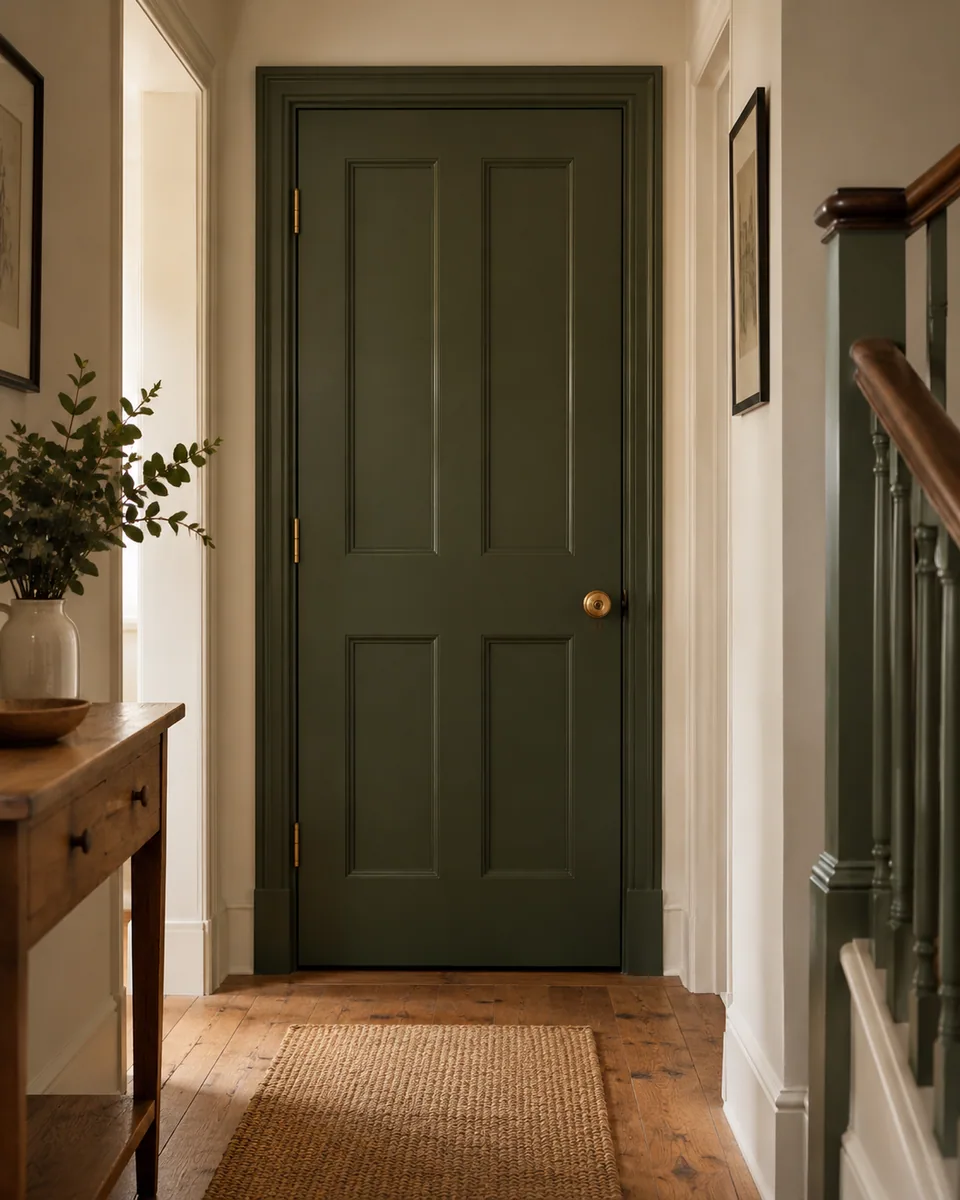
Measured setting considered
Components coordinated
Retained surfaces protected
Included operation reviewed
Coordinate the door and selected hardware before fitting
We carry out assessed interior carpentry for existing properties, with the selected door and operating components considered together. A handle and latch can appear compatible while needing different product dimensions or fixing arrangements. We establish the actual information before the installation depends on an assumed match.
The proposal defines fitting, selected storage and agreed interior finishing details. Supply and any fabrication remain expressly assigned rather than described as unrestricted furniture manufacture. Structural timber work, new-building construction and safety-critical assemblies are outside ordinary fitting unless separately assessed and specifically confirmed.
Door hardware information for the proposal
| Part | Information reviewed | Fitting decision |
|---|---|---|
| Leaf | Actual construction and product requirements | Accepted preparation boundary |
| Latch | Case and operating information | Relationship with selected handle |
| Handle | Spindle and fixing arrangement | Compatible ordinary assembly |
| Frame side | Receiving component and retained condition | Accepted contact and closing detail |
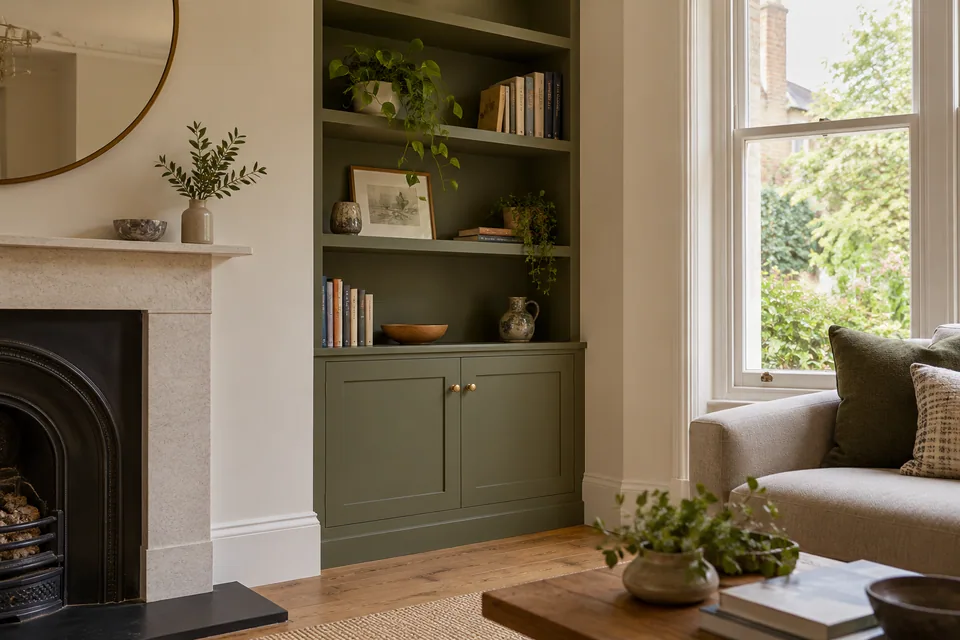
We keep storage fitting as a separately defined item
Selected shelving, cupboards and wardrobes can be assessed within the wider interior carpentry proposal. Their measured arrangement, supplied components and moving parts receive their own specification rather than being assumed within a door-hardware appointment. We identify relevant access and fitting information before installation proceeds.
Supply, fabrication and decoration remain clear in the agreement. No workshop, universal manufacture or generic loading capacity is claimed. The relevant product requirements and actual background govern the accepted fitting, with any additional design or supporting responsibility expressly established before our work depends on it.
Our five stages for the door hardware arrangement
Survey the setting and identify the products
We inspect accessible condition and review the actual leaf, latch and handle information. Missing requirements and any further assessment are identified before the fitting proposal.
Agree the assembly and work boundaries
We record selected components, preparation and surrounding details. Supply, finishing and any separately responsible technical or safety-critical activity remain explicit.
Protect and prepare the accepted area
We establish the working arrangement and complete commissioned preparation. Newly exposed conditions are explained before additional work becomes an instruction.
Fit and coordinate the selected components
We install the accepted ordinary assembly using relevant product information. The leaf and frame-side relationship are considered together rather than as unrelated parts.
Review included operation and visible details
We check the commissioned arrangement and record remaining adjustments. Available product and care information is provided without presenting ordinary fitting as specialist certification.
We establish the ordinary latch and handle relationship
We coordinate the selected latch case, spindle arrangement and handle fixing information with the actual door. Relevant product requirements govern preparation and fitting rather than a universal drilling or cutting allowance. The frame-side contact and receiving component are reviewed as part of the same arrangement.
We fit and adjust the commissioned ordinary assembly and review its operation within the agreed scope. Fire doors, certified doorsets and other safety-critical work need expressly confirmed competence and responsibility. General carpentry does not establish approval to alter a protected assembly or certify its performance.
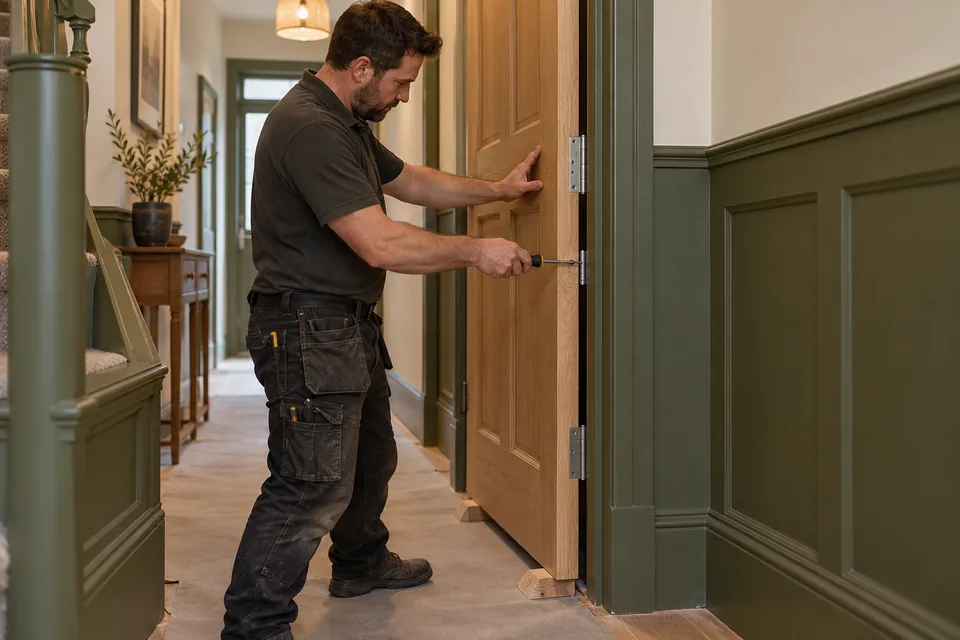
We use the actual leaf and component requirements
Softwood, hardwood, MDF and plywood are considered for their particular use and finish, not as universal alternatives. The actual door construction can limit how selected hardware is fitted. A material category does not establish an unrestricted trimming or preparation allowance, so relevant product information informs the accepted work.
Visible faces and edges have defined finish boundaries. Supplied coatings, unfinished items and separately arranged decoration are identified before installation. Cutting and fitting follow the selected material requirements, with retained surfaces protected and any further assessment explained rather than concealed by the final hardware.
Factors affecting the quotation
| Factor | Work described |
|---|---|
| Existing condition | Assessed renewal or replacement extent |
| Selected products | Actual leaf and hardware components |
| Preparation | Product-led work and access |
| Surrounding detail | Included frame and trim boundaries |
| Finish | Supplied or separately agreed decoration |
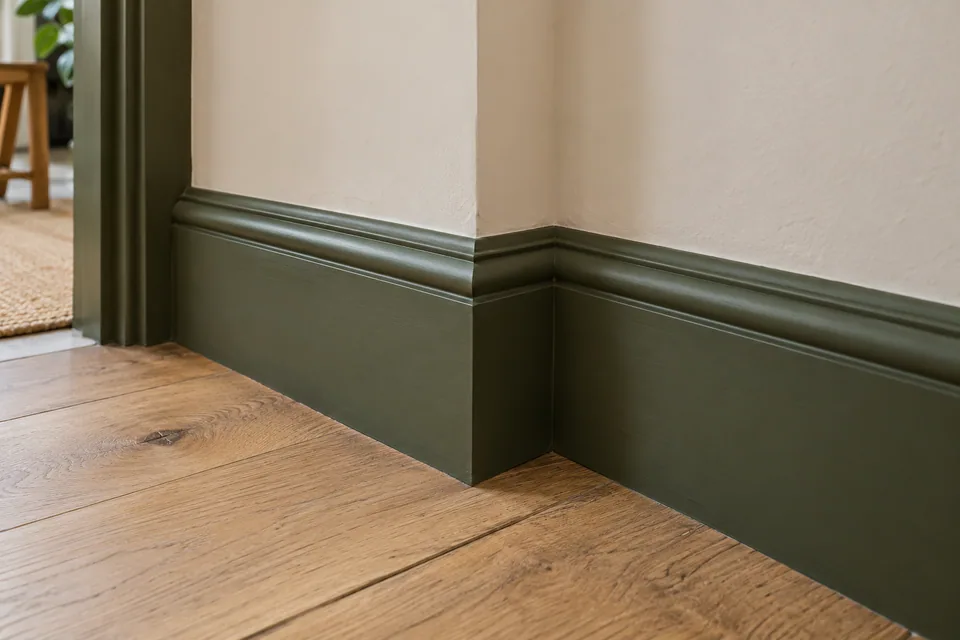
We define the frame and surrounding finish details
We assess selected frames and the actual junctions with walls, floor and adjoining surfaces. Included architraves, skirting relationships or other trim are described where expressly agreed. Their fitting follows measured conditions rather than an assumption that retained openings are square or that every edge uses the same closing detail.
Visible ends and the boundary with decoration are agreed before cutting. Trim is not used to conceal an unresolved background condition or interfere with the door operation. A separately scheduled coating remains distinct from physical installation so the accepted handover does not depend on different meanings of finished.
We assess what can be retained in the existing door setting
Where retained timber or fittings form part of the project, we inspect accessible condition and define the proposed renewal or replacement extent. A worn receiving area, loose component or distorted-looking surface can require a different response. We do not assume changing the handle alone addresses every operating concern.
Newly exposed condition is explained before added work is accepted. Moisture-related deterioration needs the appropriate source assessment before dependent carpentry. Decorative matching and any separately agreed finish remain distinct from the physical fitting and adjustment described in the proposal.
We review the leaf, opening and selected components
We measure the relevant setting and inspect accessible condition before accepting the arrangement. The actual leaf construction and product information are considered alongside the latch, handle and frame. A broad door size does not identify every permitted preparation or hardware position within the selected product.
We record survey limits and any recurring sticking, moisture or movement. A concern involving the background, technical services or safety function needs its appropriate separately responsible assessment before fitting relies on it. The accepted carpentry response is not inferred from a hardware photograph or the appearance of the old door.
Hardware conflicts we resolve before preparation
The latch and handle information do not describe one arrangement
We compare actual product requirements before fitting. Similar external appearance does not establish compatible spindle, case or fixing relationships.
The selected position ignores the leaf construction
We establish relevant door information before accepting preparation. A desired handle location does not create an unrestricted allowance to cut every part of the product.
The receiving component does not suit the retained setting
We review the frame-side relationship with the selected latch. The old opening is not treated as proof that every replacement uses the same arrangement.
We price the selected assembly and room detail
The quotation reflects the actual door, hardware, retained condition and fitting access. The number of handles alone does not describe leaf preparation, frame-side work or surrounding finish detail. We distinguish supply, fabrication and decoration so the price corresponds to the commissioned carpentry.
The programme follows approved information, component readiness and the agreed working arrangement. Changes are reviewed for their connected effects before acceptance. Occupied-property access and temporary limitations are discussed against the actual fitting sequence rather than a standard duration for every door.
Arrange carpentry at the Islington address
For Islington enquiries around N1, we confirm the full address and availability. The outward code is an approximate location reference rather than guaranteed coverage. We assess the route and protection needed for the actual selected components and room work.
Islington publishes conservation-area guidance. Where removal or alteration affects protected fabric, the relevant property-specific position is established before dependent activity. The door specification and any required property permission remain separate decisions. Our Islington services page gives wider existing-home context.
Carpentry questions in Islington
Does a latch backset identify the required handle spindle height on the door?
We distinguish the actual dimensions and their different roles in the selected assembly. One latch measurement does not define every position, so the accepted preparation follows complete door and hardware information.
Can a handle’s through-fixings be positioned without reviewing the latch case?
We compare the selected components before preparation. The handle fixing arrangement and latch construction need a compatible relationship rather than independent positions chosen only from the visible face.
Does a reversible latch description mean every part of the handle assembly is reversible too?
We identify the actual products and their intended configuration. A feature of the latch does not establish identical adjustment options for unrelated components in the assembly.
Can a latch faceplate be treated as a decorative cover for an oversized preparation?
We establish the relevant product and leaf detail before fitting. The faceplate is part of the selected assembly, not an assumed means of concealing any opening left behind it.
Can a spindle from a retained handle be accepted solely because it enters the new latch opening?
We review the complete selected arrangement and relevant product dimensions. Temporary entry into one component does not establish the intended assembled relationship or suitability.
Does a privacy handle automatically commission emergency-release operation on the opposite face?
We identify the actual selected function and supplied components in the proposal. The intended two-sided arrangement is confirmed before fitting rather than inferred from a general handle description.
Can a frame strike be located from its old screw marks without the selected latch information?
We review the actual receiving relationship and retained condition together. Former marks do not establish the accepted position of every replacement component.
Can the handle finish be chosen after the latch function is fixed without checking the full supplied set?
We identify appearance and operating function as separate selections within one assembly. A matching finish does not establish that the supplied set provides the accepted function or components.
Related interior services
Discuss the door and selected operating components.
Discuss your ordinary internal door on 020 4638 4862. We will identify the retained preparation and selected latch components needed for a coordinated installation.