
CHELSEA · PAINTING & DECORATING
Painting & Decorating in Chelsea
We decorate panelled walls and adjoining surfaces with the recessed fields, mouldings and finish boundaries defined before preparation, coordinating the actual joinery with the selected paint system.
- Panel faces and moulded details assessed separately
- Preparation matched to the existing finish
- Walls and woodwork coordinated within one brief

Survey-led quotation
Defined surface preparation
Selected coating system
Completed finish reviewed
We define the panelled wall as more than one flat surface
A panelled elevation can include flat fields, narrow mouldings, joints and returns that receive light differently. We identify those parts before treating the work as a simple wall-area allowance. The selected finish is coordinated with the actual construction and the adjoining room surfaces.
Our painting and decorating in Chelsea begins with a survey of the existing property. We describe preparation, application and finishing for the named walls, ceilings and woodwork, identifying what is retained and the result commissioned around it.
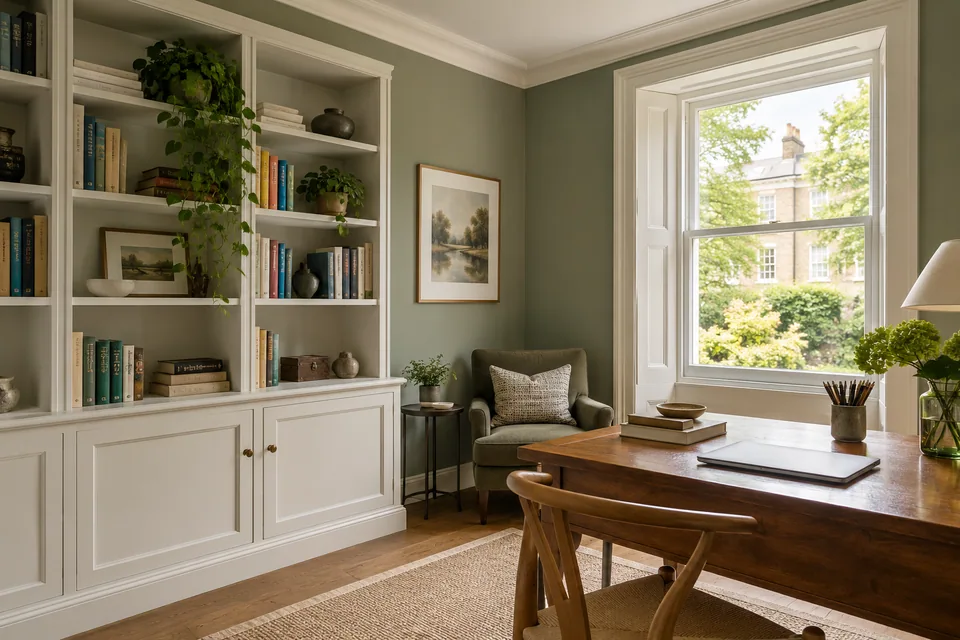
How we decorate the detailed elevation
Survey the panelled setting
We inspect accessible coatings and components, discuss the selected appearance and identify moisture history or wider work needed before dependent decoration is priced.
Agree the surface schedule
We describe preparation, application, panel parts and adjoining finishes. The working area, protection and separately responsible activities are established before attendance.
Protect and prepare
We organise access and complete commissioned cleaning, sanding and assessed local preparation. Newly exposed condition is reviewed before coating proceeds.
Apply the coordinated system
We complete fields, profiles and adjacent surfaces in the accepted sequence. Relevant product information governs application rather than a universal method for all panel materials.
Review the included details
We check visible faces, edges and adjustments against the proposal, recording outstanding items and relevant care information for the products actually applied.
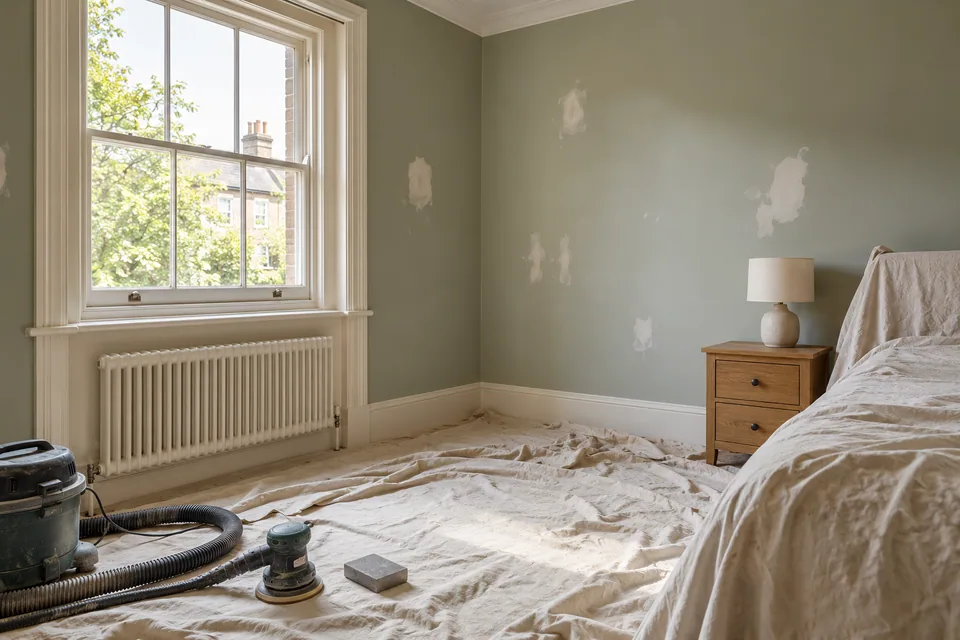
We inspect the existing panels and coating
We review accessible condition, existing paint and the visible junctions between components. Loose coating, contamination, cracks or uneven areas are identified before a new finish depends on them. A decorative moulding is not assumed to be sound merely because its face appears intact.
We distinguish ordinary decorating preparation from any wider joinery or background-renewal requirement. Known moisture history and concealed limits remain part of the assessment. The proposal describes the actual preparation rather than promise that painting will remove every characteristic of an older panelled wall.
We identify the actual visible faces before pricing, including lower returns and areas beside retained furnishings. That review keeps a broad wall-area measurement from hiding the detailed surfaces commissioned within the panelled arrangement.
We establish access to the complete elevation
We agree furniture clearance and protection for floors, retained items and adjoining finishes. Narrow returns and lower panels need usable access as well as the main field. The working arrangement is considered before material delivery rather than assuming furniture can stay against the wall being decorated.
Any wallcovering removal or separately responsible handling is expressly defined. Necessary electrical disconnection has its own confirmed appointment. We review newly exposed condition before proceeding, keeping the boundary around retained hardware and decorative features clear.
Panel parts and the finish information we record
| Part | What we establish | Why it matters |
|---|---|---|
| Flat field | Actual background and selected finish | A different material may sit within the surrounding frame. |
| Applied moulding | Profile and accessible coating condition | Preparation needs to respect its visible detail. |
| Panel joint | Observed condition and agreed treatment | A decorative line is distinguished from unresolved movement. |
| Side return | Specified coverage and adjoining surface | The main face does not describe every visible edge. |
We specify preparation for the actual panel material
We clean the agreed surfaces and define sanding, minor filling and priming within the assessed decorating preparation. The existing coating and selected system determine the compatible sequence. Different panel materials or exposed edges are not treated as interchangeable backgrounds because they share a painted appearance.
We discuss sheen against the moulding and room lighting, using the actual chosen product information. The intended result and relevant care requirements are identified before application. Significant movement or recurring moisture needs the appropriate assessment rather than repeated cosmetic coverage.
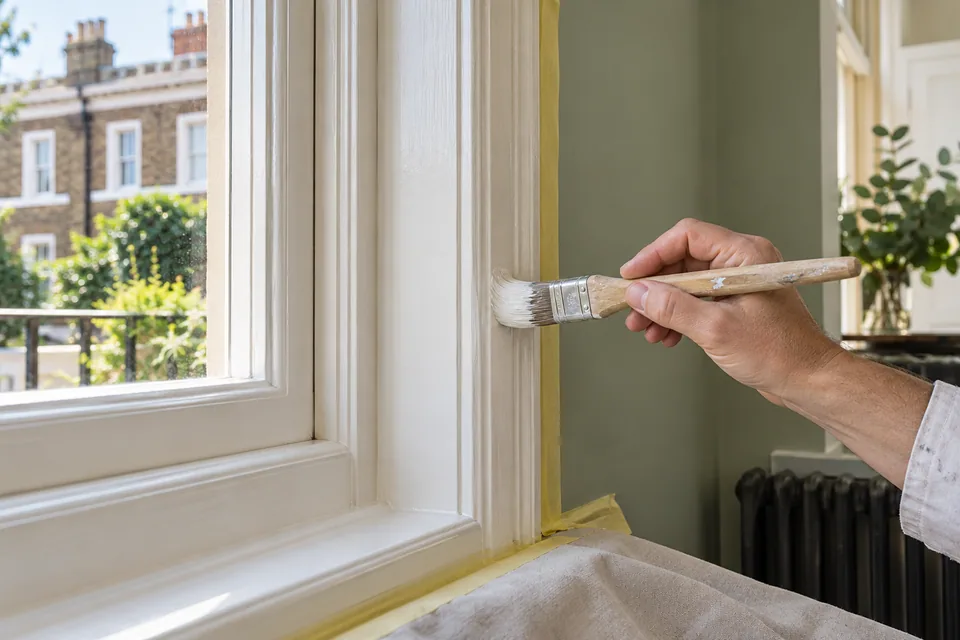
We paint the fields, mouldings and specified returns
We identify which panel parts share a finish and where a deliberate difference is intended. Cleaning, sanding and selected priming follow the existing condition and coating system. We consider the profiles without letting excess decorative build-up become a substitute for properly defined preparation.
We apply the accepted finish across the commissioned faces and review recesses, corners and visible joints. Doors, frames, skirting and other woodwork are included only as described. Hardware and operating features retain their agreed boundary; decorative painting does not itself authorise joinery alteration.
We coordinate the surrounding walls and ceiling
We name the adjoining surfaces and any selected changeover between the panelled area and plaster or wallcovering. The accepted scheme identifies each visible boundary before application. A decorative panelling line is not assumed to commission the ceiling or every concealed area behind retained furniture.
The main wall and ceiling finishes are applied in coordination with the detailed edges. Product requirements and actual backgrounds determine the coating sequence rather than a fixed count. Wallpapering or exterior work can be assessed where selected, with its own preparation, material and access arrangement.
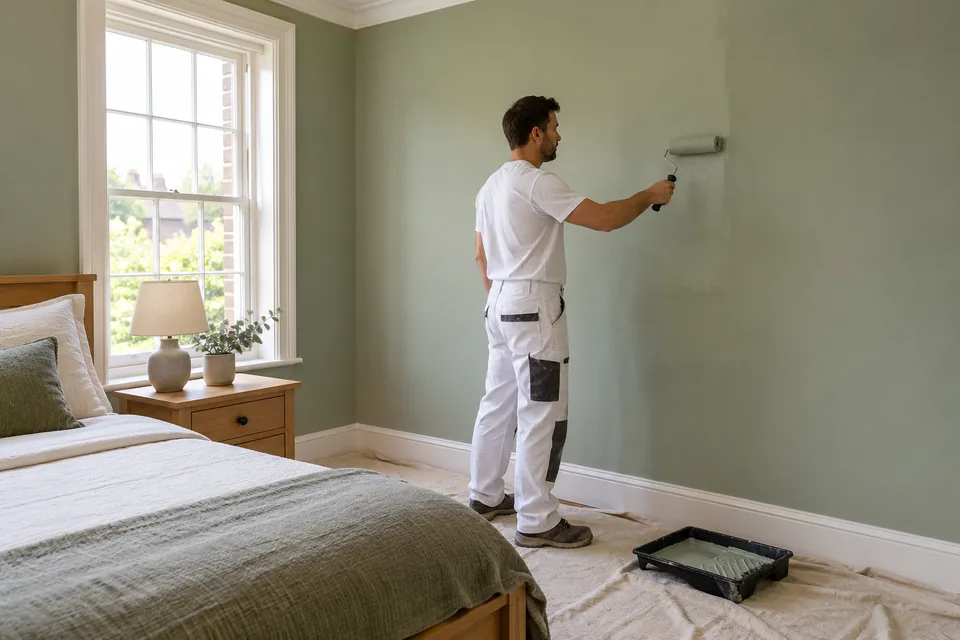
Panelled-wall issues we identify before finishing
A joint shows continuing movement
We identify the concern and any necessary assessment. A decorative coating is not presented as a permanent structural response to an unresolved moving junction.
Old coating gathers in the profile
We review the actual condition before choosing preparation. Another layer is not automatically the answer where the existing build-up obscures the selected detail.
A field and moulding have different backgrounds
We assess their compatibility with the chosen system. Similar colour does not establish identical absorption or preparation needs across the whole elevation.
What affects the decorating quotation
| Factor | Effect on the package |
|---|---|
| Existing coating | Assessed cleaning, sanding and priming. |
| Profile detail | The actual mouldings and recesses commissioned. |
| Coverage | Named faces and returns rather than wall area alone. |
| Room access | Furniture clearance and retained-surface protection. |
| Adjacent finishes | Accepted wall, ceiling and woodwork boundaries. |
We price the actual decorative components
The proposal reflects preparation, profiles and selected materials. A detailed panelled elevation can involve different work from an uninterrupted wall of the same size. We identify included faces, edges and adjoining finishes so the quotation follows the actual brief.
The programme follows product requirements and the agreed room arrangement. A revised sheen or selected colour distribution is reviewed for its effect on prepared and completed surfaces before it becomes an instruction.
Planning decorating at the Chelsea property
For Chelsea enquiries around SW3, we confirm the full address and actual route into the working rooms. The district label does not establish availability or a receiving arrangement. Shared entrances, retained floors and furniture need a practical protection plan.
RBKC publishes conservation and listed-building guidance. Where work affects protected fabric or a retained feature, the relevant property-specific position is established before dependent activity. A decorating appointment is not treated as authority to alter the panelling’s construction.
Painting and decorating questions in Chelsea
Can panel fields and their surrounding mouldings receive different colours deliberately?
We can record that selected scheme by identifying the actual faces and stop lines. The moulding and field are not treated as one unnamed wall area. The accepted distribution is established before preparation and application depend on it.
Can factory-primed panel faces and newly exposed cut edges receive the same preparation automatically?
We check the supplied surface condition and relevant product information for each part. A primed face does not establish that an exposed edge is ready for the selected finish. The accepted preparation identifies that distinction before coating the assembled panelled wall.
Can a narrow shadow gap be painted over to make the panelled wall appear continuous?
We identify its actual construction and intended role before accepting a changed treatment. A shadow line is not automatically an imperfection to close. Any alteration beyond decorative coating needs a separately agreed suitable response.
Will matching paint make a timber moulding and a sheet-material field absorb identically?
We assess the actual backgrounds and selected preparation separately. A shared colour does not establish equal absorption or coating behaviour. The system is coordinated across both components before the finishing application.
Can repeated coating be used to soften the definition of a fine routed panel detail?
We establish whether the existing profile is intended to remain legible before application. Additional paint is not specified as a way to reshape that detail. The agreed coating follows the selected product information, with any proposed change to the component assessed separately.
Can an applied bead be removed simply to make painting quicker?
We treat the retained decorative component as part of the assessed setting. Removal is not implied by a painting appointment. Any proposed alteration requires express agreement and a suitable responsibility before the coating work relies on it.
Does painting a panelled wall include fabric-covered inserts within the same frames?
We distinguish those selected materials in the surface schedule. A painted-frame instruction is not automatically an instruction to coat or replace a different insert. Its intended treatment and any separate responsibility are established before work.
Can the final review distinguish an intentionally retained joinery line from an omitted paint edge?
We compare the commissioned coverage with the accepted component arrangement. That gives the review a clear reference, identifying an outstanding application separately from a retained construction detail rather than treating every visible line alike.
Related property services
Discuss the panelled elevation and its adjoining finishes.
Call 020 4638 4862 with your Chelsea address and selected scheme. We will explain the assessment needed to define preparation, detailed surfaces and the decorating package.